

In a world where stress and anxiety seem to be the new normal, mental health and spirituality are stepping into the spotlight like the dynamic duo they were always meant to be. Imagine tackling life’s challenges not just with therapy and medication, but with a sprinkle of mindfulness and a dash of cosmic connection. Sounds like a recipe for a happier life, right?
Understanding Mental Health and Spirituality
Mental health and spirituality share a profound connection that influences well-being. Both aspects play a crucial role in managing stress and anxiety in daily life.
Definition of Mental Health
Mental health encompasses emotional, psychological, and social well-being. It affects how individuals think, feel, and act throughout their lives. Good mental health contributes to effective stress management and decision-making. Common mental health conditions include anxiety disorders, depression, and bipolar disorder. These conditions can impact daily life, relationships, and physical health. Recognizing signs like mood swings or withdrawal from activities can promote timely intervention. Seeking help through therapy or support groups fosters resilience and recovery.
Definition of Spirituality
Spirituality involves a sense of connection to something greater than oneself. It can manifest through various practices, beliefs, or experiences. For many, spirituality provides purpose and meaning amid life’s challenges. Common expressions of spirituality include religion, meditation, or personal rituals. Individuals often find comfort by exploring their inner thoughts and values. This exploration can lead to improved overall well-being. Spirituality encourages self-reflection and fosters a deeper understanding of one’s place in the universe.
The Connection Between Mental Health and Spirituality
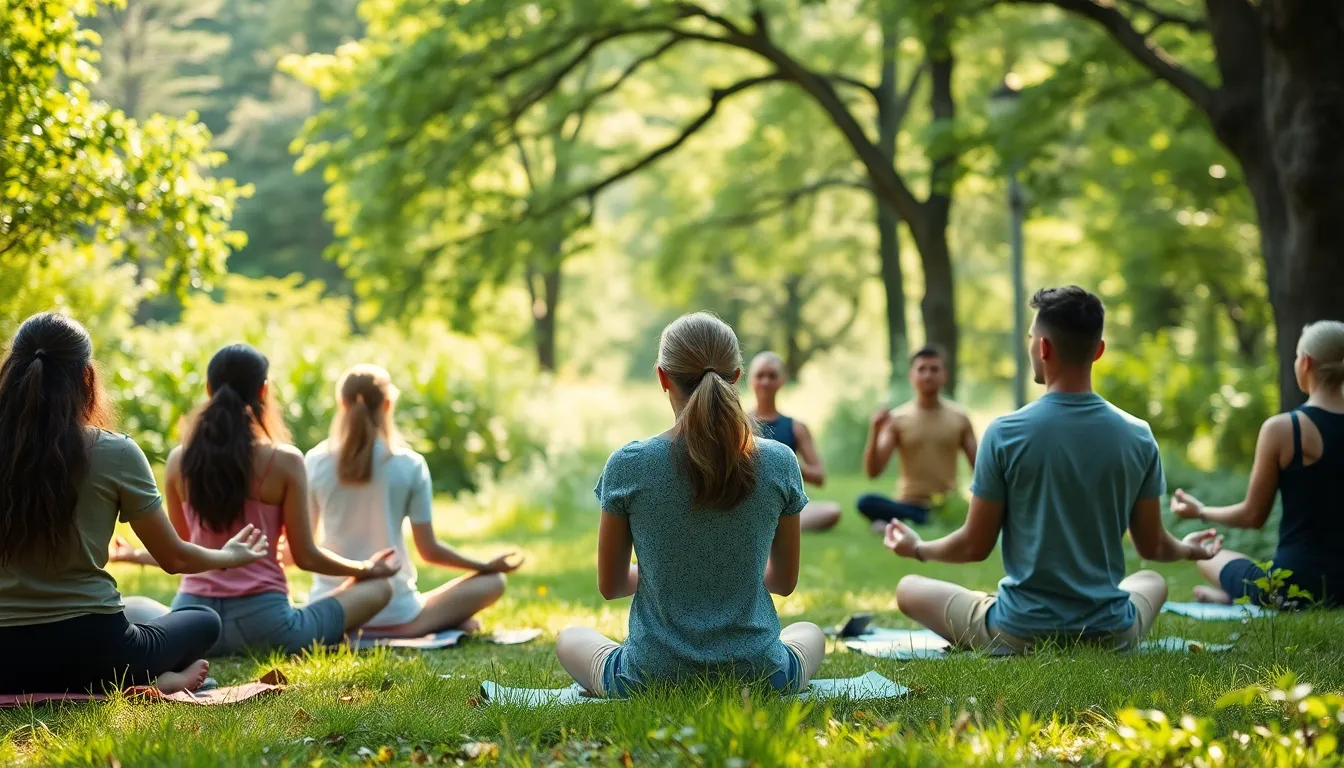
Mental health and spirituality significantly influence well-being. Understanding their connection reveals essential insights for enhancing daily life.
Historical Perspectives
Throughout history, various cultures recognized mental health’s intertwining with spirituality. Ancient civilizations often viewed mental disturbances as spiritual crises. Practices like shamanism and healing rituals addressed mental health by incorporating spiritual elements. Philosophers in ancient Greece emphasized the mind-body connection, suggesting harmony between emotional health and spiritual well-being. Religious texts frequently contain teachings promoting mental wellness through spiritual practices. Different spiritual traditions, such as Buddhism and Hinduism, highlight meditation’s role in fostering mental clarity and emotional resilience. By examining these historical viewpoints, it becomes clear that spirituality served as a foundational aspect of mental health long before modern psychology emerged.
Modern Research Findings
Recent studies confirm a strong correlation between mental health and spirituality. Research indicates individuals with spiritual practices report lower levels of anxiety and depression. A study published in the Journal of Clinical Psychology found spirituality contributes positively to life satisfaction and emotional stability. Additionally, engaging in spiritual practices can improve coping mechanisms for stress. Neuroscience research shows that meditation activates brain regions associated with emotional regulation. Mental health professionals increasingly integrate spirituality into treatment plans, promoting holistic approaches. Findings underscore the significance of spirituality in enhancing emotional well-being and stress management in contemporary life.
Benefits of Integrating Spirituality in Mental Health Practices
Integrating spirituality into mental health practices provides various advantages, significantly enhancing emotional well-being. Individuals often find that spiritual practices cultivate deeper emotional resilience.
Emotional Resilience
Spiritual engagement fosters emotional resilience, allowing individuals to adapt to challenges. Many studies indicate that practices like meditation enhance coping ability and reduce feelings of despair. Individuals who incorporate spirituality into their routines often report a stronger sense of purpose. This sense of purpose contributes to better emotional regulation, facilitating more effective responses to stress. Practicing mindfulness and reflection strengthens mental fortitude, encouraging individuals to navigate life’s obstacles more effortlessly.
Coping Mechanisms
Spirituality also offers effective coping mechanisms during difficult times. Those who turn to spiritual practices frequently develop healthier ways to manage stressors. Activities like prayer or meditation provide solace, promoting relaxation and emotional balance. Integrating these spiritual tools equips individuals to face challenges head-on. Research underscores that using spiritual coping mechanisms reduces anxiety and fosters a sense of peace. Embracing spirituality as part of coping strategies plays a crucial role in overall mental health maintenance.
Challenges and Considerations
Integrating spirituality into mental health practices presents unique challenges and considerations. Awareness of these factors is crucial for effective implementation.
Stigma Around Spirituality
Stigmas associated with spirituality can hinder open discussions about its role in mental health. Many individuals fear judgment or dismissal from mental health professionals and peers. Concerns about blending religious beliefs with therapy can also lead to feelings of isolation. Open dialogue about spirituality’s importance fosters a more inclusive environment. Addressing misconceptions can encourage those in need to explore spiritual avenues for healing. Awareness initiatives can help reduce stigma and highlight the benefits of spiritual practices.
Diverse Beliefs and Practices
Spirituality encompasses a wide range of beliefs and practices, which can complicate its integration into mental health care. Individual preferences play a significant role in how spirituality is experienced. Some may find comfort in organized religion, while others may gravitate toward personal practices such as meditation or nature immersion. Understanding these differences is essential for mental health professionals to tailor approaches that resonate with clients. Flexibility in incorporating spiritual elements ensures respect for diverse worldviews. Collaboration between practitioners and clients fosters personalized strategies that can enhance emotional well-being.
The interplay between mental health and spirituality offers a promising avenue for enhancing emotional well-being. By embracing both traditional therapeutic methods and spiritual practices, individuals can cultivate resilience against stress and anxiety. This holistic approach not only fosters a deeper connection to oneself but also nurtures a sense of purpose and meaning in life.
As society continues to evolve, recognizing and integrating spirituality into mental health care can lead to more comprehensive treatment options. Encouraging open conversations about spirituality can help break down stigmas and promote a greater understanding of its benefits. Ultimately, the journey toward mental wellness can be enriched by acknowledging the profound relationship between the mind and spirit.