

In a world where stress is as common as a morning coffee, mobile wellness tools are stepping up to save the day—or at least your sanity. These nifty apps and gadgets are like personal trainers, therapists, and meditation gurus all rolled into one, right in your pocket. Who knew that finding inner peace could be as easy as swiping on your smartphone?
Overview of Mobile Wellness Tools
Mobile wellness tools serve as essential companions for individuals seeking to enhance their well-being. These tools leverage technology to provide easily accessible resources for mental and physical health.
Definition and Purpose
Mobile wellness tools encompass a wide range of applications, gadgets, and platforms designed to promote health and well-being. They’re aimed at improving stress management, physical fitness, and overall mental wellness. These resources offer features such as guided meditations, fitness tracking, and personalized health insights. By integrating these functions into smartphones and wearables, users gain functionalities that were once limited to traditional wellness environments. They allow for immediate engagement with personal development, putting users in control of their wellness journey.
Importance in Today’s Lifestyle
Mobile wellness tools play a crucial role in modern life as people navigate busy schedules. These tools provide convenience that traditional wellness methods can’t match. Accessibility fosters continuous engagement, making it easier for users to incorporate wellness practices into daily routines. Research shows that regular use of wellness apps can enhance mental clarity and reduce stress levels. With numerous options available, individuals can tailor their approach to fit personal needs and preferences. The integration of health monitoring enables informed decisions about fitness and nutrition, making these tools indispensable in today’s fast-paced environment.
Types of Mobile Wellness Tools
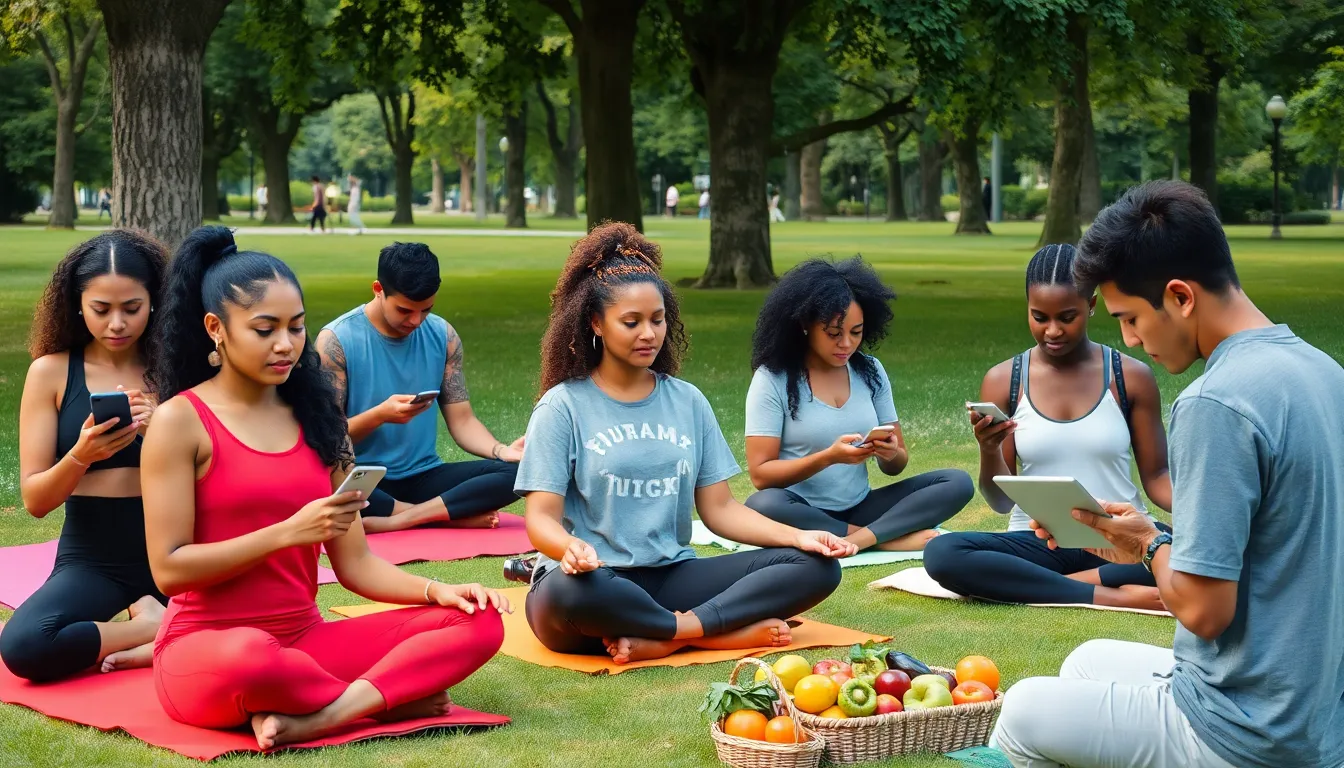
Mobile wellness tools encompass various applications and platforms aimed at enhancing both mental and physical health. They cater to individual needs, offering convenience and accessibility.
Fitness Tracking Apps
These apps monitor users’ physical activities and progress. Fitness tracking apps record workouts, steps taken, and calories burned. Some popular options include MyFitnessPal, Fitbit, and Strava. Integration with wearable devices enhances data accuracy, providing real-time feedback on activity levels. Users receive personalized insights based on their trends and goals, promoting accountability and motivation. Research shows that using fitness tracking apps can lead to improved exercise consistency and overall health.
Meditation and Mindfulness Apps
Meditation and mindfulness apps assist users in cultivating a meditative practice. These apps feature guided meditations, breathing exercises, and relaxation techniques. Popular examples include Headspace, Calm, and Insight Timer. Regular use fosters improved emotional well-being and reduced stress levels. Users often benefit from customizable sessions tailored to their preferences and schedules. Studies indicate that practicing mindfulness can enhance focus and resilience, making these tools valuable in daily life.
Nutrition and Meal Planning Tools
Nutrition and meal planning tools help users make informed dietary choices. These apps offer features like calorie counting, meal tracking, and recipe suggestions. Examples include MyPlate, Yummly, and Noom. Individuals receive personalized meal plans based on dietary preferences and nutritional goals. Tracking nutrient intake encourages balanced eating habits and contributes to overall wellness. Research highlights that consistent use of these tools can lead to healthier eating patterns and weight management.
Benefits of Using Mobile Wellness Tools
Mobile wellness tools provide significant advantages for both physical health and mental well-being. Users increasingly turn to these tools for their convenience and effectiveness.
Enhancing Physical Health
Fitness tracking apps empower individuals to monitor activities easily. With tools like Fitbit, users can set goals and track their progress over time. Nutrition and meal planning apps, like MyPlate, encourage better dietary choices, promoting balanced eating habits. Research highlights that consistent use of these applications correlates with improved physical fitness levels and increased motivation. Engaging with these tools fosters a sense of accountability in users, making it simpler to maintain a healthy lifestyle.
Improving Mental Well-Being
Meditation and mindfulness apps contribute significantly to emotional health. Headspace provides guided sessions, which help users develop a regular meditation practice, reducing anxiety and stress. Studies indicate that daily use of these apps leads to enhanced mental clarity and resilience. Users gain greater insight into their thoughts and feelings, promoting overall mental well-being. By incorporating these practices into daily routines, individuals cultivate a more balanced and fulfilling life.
Challenges and Limitations
Mobile wellness tools face several challenges that impact user experience and effectiveness.
Technology Dependence
Technology dependence poses a significant challenge for users of mobile wellness tools. Many individuals rely heavily on their smartphones and apps for wellness management. This reliance can lead to decreased motivation when technology malfunctions or when users experience connectivity issues. In addition, distractions from notifications or social media can interfere with focused wellness practices. Research indicates that prolonged screen time may negatively affect mental health, raising questions about the balance between technology use and personal well-being. Ultimately, while mobile tools offer convenience, maintaining a healthy relationship with technology remains crucial for users.
Privacy Concerns
Privacy concerns frequently arise with the use of mobile wellness tools. Many apps collect sensitive personal data, including health metrics and lifestyle habits. Users may unknowingly share information that could be accessed by third parties, leading to potential misuse. Regulations require developers to implement robust data protection measures. Lacking transparency in data handling practices can erode user trust. Users often hesitate to engage with tools if they feel their privacy is at risk. Therefore, addressing these concerns is essential for ensuring user confidence and fostering widespread adoption of mobile wellness technologies.
Mobile wellness tools have transformed how individuals approach their health and well-being. With the convenience of smartphones users can easily access resources that support both mental and physical health. These tools not only foster healthier habits but also encourage users to stay engaged in their wellness journeys.
While challenges like technology dependence and privacy concerns exist, the benefits of these tools far outweigh the drawbacks. By integrating mobile wellness tools into daily routines individuals can cultivate resilience and achieve a more balanced lifestyle. Embracing these innovations is essential for navigating the complexities of modern life while prioritizing health and well-being.