
Table of Contents
ToggleIn today’s fast-paced world, mental health often takes a backseat, but it shouldn’t. Enter mental health workshops—your ticket to a happier, healthier mind. These workshops are like a spa day for the brain, offering tools and techniques to tackle stress, anxiety, and the occasional existential crisis. Who knew that learning could be this fun?
Overview of Mental Health Workshops
Mental health workshops serve as essential resources for managing stress and enhancing well-being. These sessions equip participants with practical techniques to navigate life’s challenges effectively.
Types of Workshops
Workshops vary in format and approach, offering participants a range of options. Cognitive behavioral therapy workshops focus on modifying negative thought patterns, while mindfulness-based workshops emphasize present-moment awareness. Skills development workshops teach coping strategies, and support groups foster community and shared experiences. Each type of workshop addresses specific mental health needs, ensuring a tailored experience for attendees.
Target Audience
Individuals seeking mental health support benefit most from these workshops. Young adults often explore anxiety management techniques, while parents may seek strategies for balancing family and personal well-being. Professionals can find value in stress reduction practices, and seniors may appreciate workshops designed for age-related mental health issues. Additionally, organizations looking to promote mental wellness among employees find these workshops beneficial for fostering a healthier workplace culture.
Benefits of Attending Mental Health Workshops
Attending mental health workshops offers numerous advantages for participants looking to enhance their well-being. These workshops provide essential tools and insights for managing mental health.
Skill Development
Skill development plays a significant role in mental health workshops. Participants learn techniques for stress management, effective communication, and emotional regulation. Workshop environments encourage practice and feedback, allowing individuals to refine their skills. Workshops teach cognitive behavioral strategies, benefiting those struggling with negative thinking patterns. Tools acquired during sessions empower attendees in both personal and professional settings. Specific exercises, such as mindfulness practices, help enhance overall emotional resilience. Investing in skill development creates lasting positive changes in participants’ lives.
Community Support
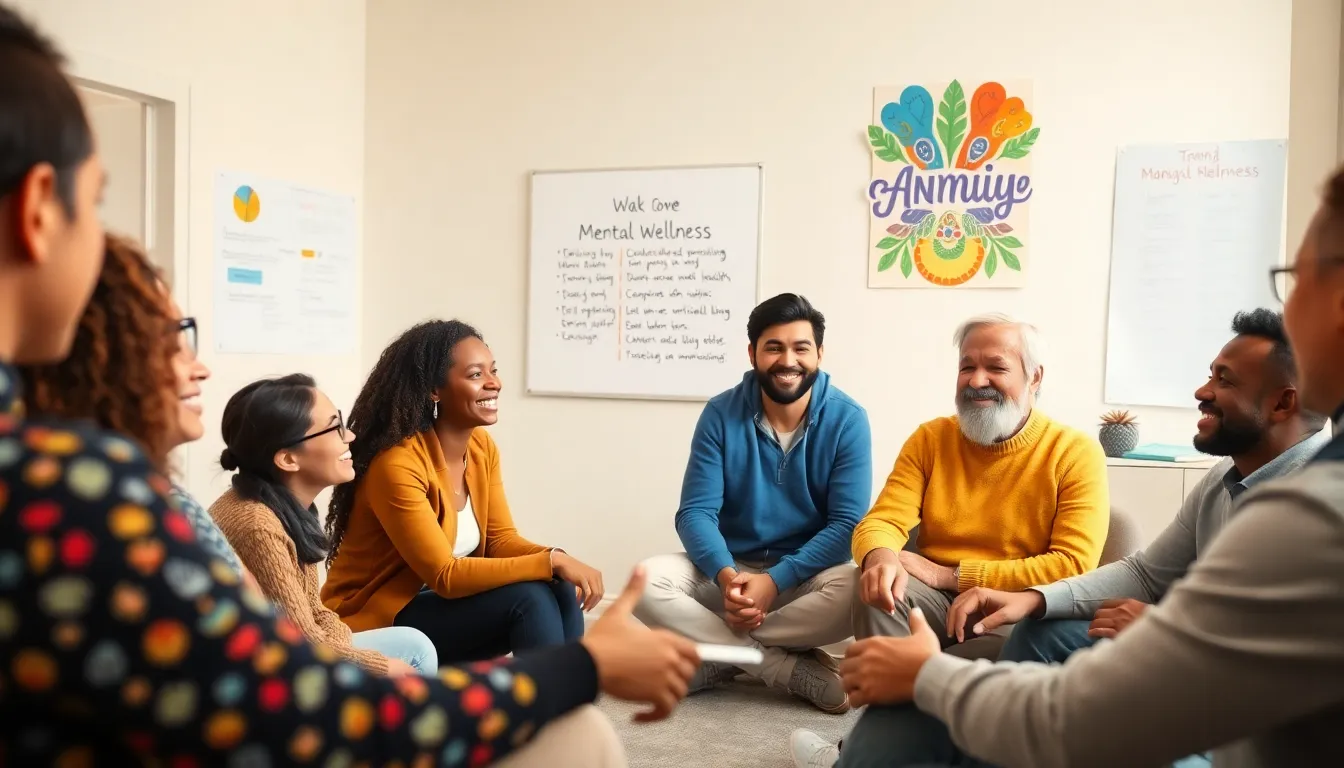
Community support forms a core element of mental health workshops. Participants find themselves in a safe space where shared experiences foster connections. Relationships built during workshops can lead to lasting friendships, providing ongoing encouragement. Shared feelings of understanding help reduce feelings of isolation often experienced with mental health challenges. Group discussions allow for collaborative problem-solving, enriching individual perspectives. Engaging with diverse viewpoints broadens participants’ understanding of mental wellness. Overall, community support nurtures a sense of belonging, enhancing emotional well-being for all involved.
Key Components of Effective Workshops
Effective mental health workshops incorporate several key components that enhance their impact. These components enhance learning and foster participant engagement.
Qualified Facilitators
Qualified facilitators play a crucial role in the success of mental health workshops. Experts in psychology or counseling lead sessions and guide discussions. Their abilities to create a safe environment encourage openness and honesty. Facilitators design sessions tailored to participants’ needs, ensuring relevance. Experienced professionals enhance engagement by encouraging participation and addressing diverse concerns. Open communication with attendees builds trust and enhances the overall workshop experience.
Interactive Activities
Interactive activities form an essential part of mental health workshops. Engaging participants through role-playing, group discussions, and mindfulness exercises fosters deeper understanding. These activities promote hands-on learning and make abstract concepts more relatable. Facilitators encourage collaboration, which cultivates a sense of community. Participants also gain the opportunity to practice new skills in real-time, reinforcing their learning. Overall, interactive elements make sessions more memorable and impactful.
Challenges in Organizing Mental Health Workshops
Organizing mental health workshops presents several challenges that require careful consideration.
Participant Engagement
Engaging participants actively stands as a significant challenge in workshop settings. Facilitators must develop creative strategies to capture attention and encourage participation. Using interactive elements such as discussions or role-playing enhances engagement and helps participants absorb information better. Workshop formats that lack variety may lead to disengagement. Tracking participation through feedback tools can guide facilitators in adapting their methods effectively. Moreover, establishing a welcoming environment fosters open communication and keeps attendees invested in the experience.
Accessibility Issues
Addressing accessibility issues proves crucial for the success of mental health workshops. Participants may face various barriers, including physical limitations, economic constraints, or geographical locations. Ensuring venues are wheelchair accessible enhances convenience for all. Offering sliding scale fees makes workshops affordable for different income levels. Additionally, providing virtual options can reach individuals who cannot attend in person due to distance or other constraints. Considering these elements helps create inclusive environments, allowing broader access to vital mental health resources.
Mental health workshops stand out as invaluable resources for individuals seeking to enhance their emotional well-being. By offering practical tools and fostering community support these workshops empower participants to tackle life’s challenges more effectively. The diverse range of sessions ensures that everyone from young adults to seniors can find something tailored to their needs.
As mental health continues to gain recognition in today’s society prioritizing attendance at these workshops can lead to significant personal growth and connection. With skilled facilitators guiding the experience participants not only learn essential skills but also build lasting relationships that combat isolation. Embracing these opportunities can pave the way for a healthier and more resilient future.


