
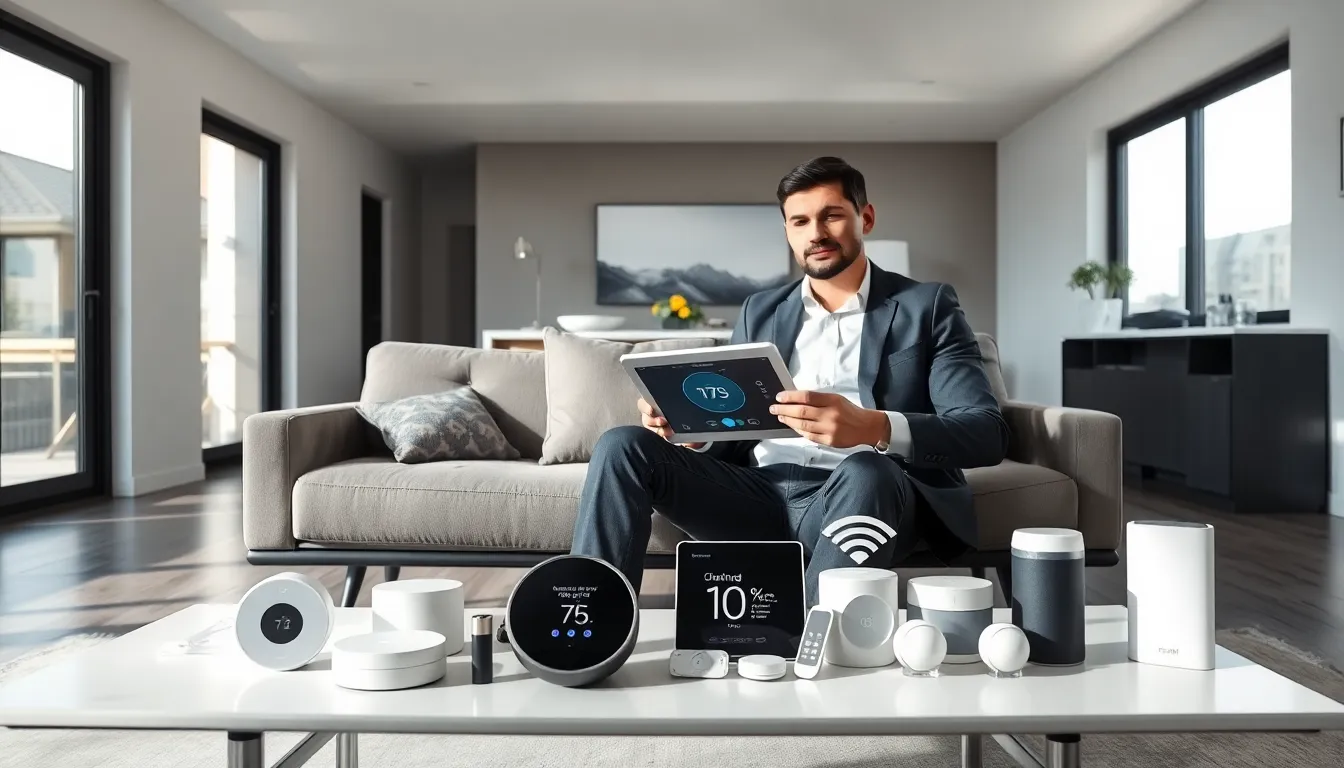
In a world where your toaster might just be smarter than your high school gym teacher, smart living brands are paving the way for a future that’s anything but dull. Imagine a life where you can control your home from the other side of the globe, or even just while lounging on your couch. This isn’t just a pipe dream: it’s the exciting reality of smart living. But what exactly does this mean for everyday people? Let’s investigate deeper into the universe of smart living brands that are not just transforming our homes but also revolutionizing our lives.
Spoiler alert: it’s not all about controlling your lights with a voice command. In fact, there’s a whole lot more to smart living than just good vibes and clever gadgets. Buckle up as we explore the ins and outs of this innovative sector.
Understanding Smart Living Brands
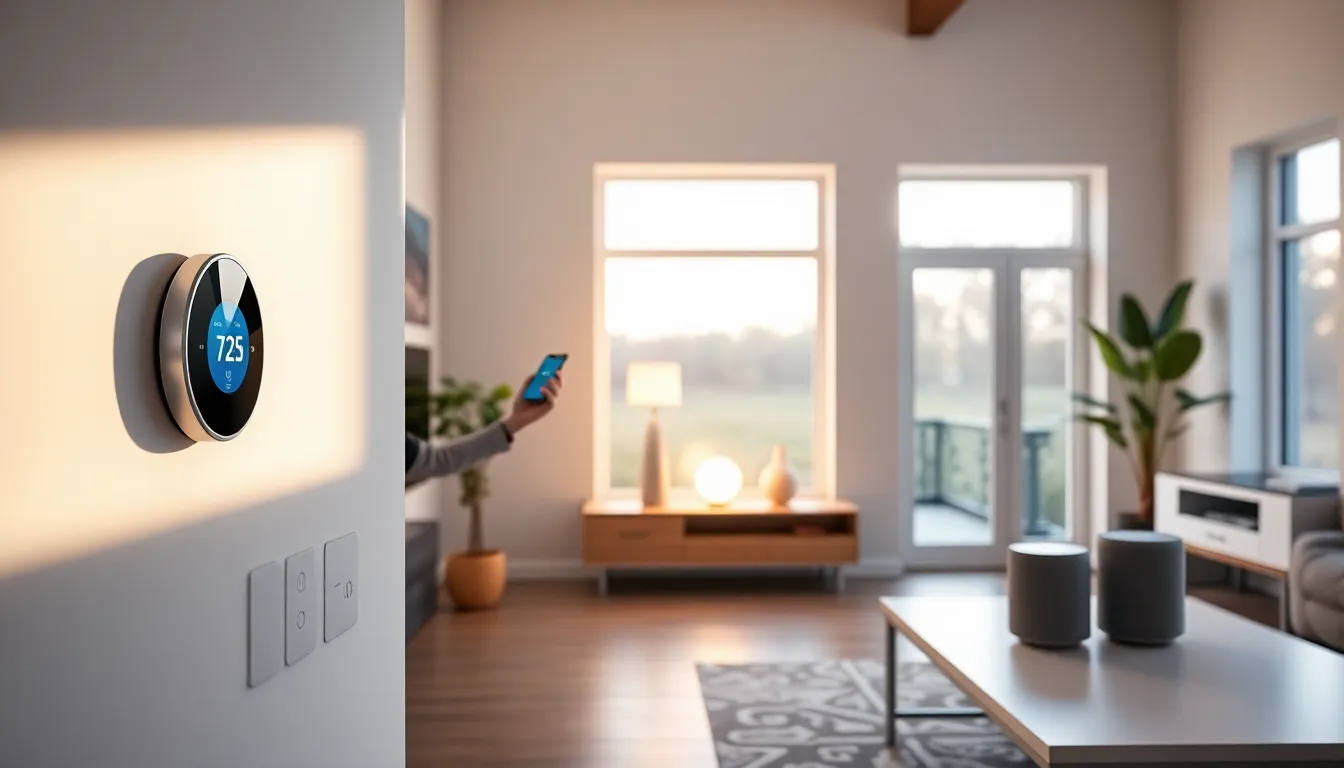
What Is Smart Living?
Smart living refers to the integration of technology in everyday life, designed to enhance comfort, efficiency, and connectivity. From smart thermostats that learn your schedule to appliances that can be controlled remotely, smart living embodies a lifestyle where technology simplifies daily tasks. The goal is to make homes more intuitive and responsive to individual needs, paving the way for a life that feels just a bit easier.
Key Characteristics of Smart Living Brands
Smart living brands are characterized by their commitment to innovation and user-friendliness. They focus on:
- Connectivity: Products generally connect via Wi-Fi or Bluetooth, allowing users to control devices from anywhere using their smartphones.
- Interoperability: Many smart living brands prioritize compatibility across various platforms. A homeowner can seamlessly connect their smart lights to their security systems or voice assistants.
- Data Utilization: These brands often employ AI and machine learning to better understand user behavior. This way, devices adapt to preferences over time, offering a personalized experience.
- Sustainability: Many smart living solutions aim to reduce energy consumption. For instance, smart thermostats use less energy by learning when to adjust heating or cooling in the home.
Popular Smart Living Brands in the Market
Innovative Technologies Driving Smart Living
A few brands have honed in on smart living technologies, setting trends and shaping the future.
- Nest: Pioneering the smart thermostat market, Nest has secured a reputation for enabling homeowners to significantly lower their energy bills.
- Philips Hue: Known for creating smart lighting systems, Philips Hue allows users to customize hues, create schedules, and even sync lights to music, turning any mundane evening into a mini disco.
- Amazon Alexa: The versatile voice assistant has become a household name, controlling various smart devices with simple voice commands.
- SmartThings by Samsung: This platform connects a wide variety of smart devices, allowing users to manage their home ecosystem effortlessly.
These brands are not just selling products: they are creating ecosystems that enhance daily living experiences.
Sustainability in Smart Living Brands
The Role of User Experience in Smart Living
As the emphasis on sustainability grows, smart living brands are stepping up. They strive for minimal environmental impact while maximizing user satisfaction. Smart appliances that self-regulate based on user behavior not only save energy but also enhance the overall experience. Also, many smart living brands use eco-friendly materials in their products, making them more sustainable.
Instead of merely focusing on convenience, these brands actively contribute to a better world by reducing waste and promoting efficient living. By prioritizing both user experience and eco-responsibility, they manage to bridge the gap between functionality and sustainability.
Future Trends in Smart Living Brands
Challenges Facing Smart Living Brands
Even though the promising trajectory, smart living brands have challenges to overcome. One significant hurdle is data privacy. As homes become smarter, they inevitably collect more data. Users are becoming increasingly concerned about how their data is being utilized and shared.
Also, the rapid pace of technological advancement can lead to products quickly becoming obsolete. This raises questions about sustainability and waste. Brands must innovate responsibly, ensuring that the products they create won’t end up in a landfill within a year. Compounding these issues is the need for universal standards in smart technology, which can complicate compatibility across devices.


