
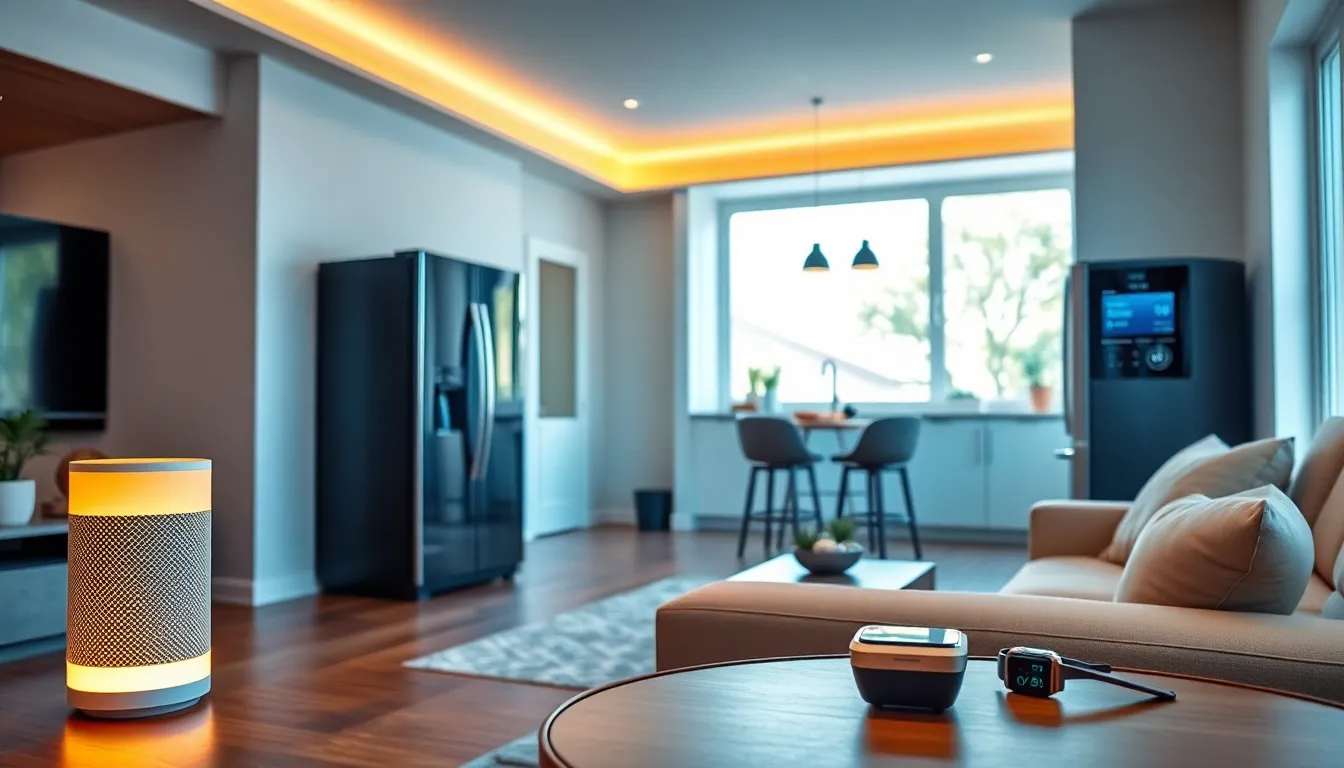
In today’s fast-paced world, who wouldn’t want a home that anticipates their needs like a well-trained butler? Enter smart living products, those nifty gadgets that practically run your home for you. From lights that adjust to your mood to fridges that virtually forget how to run out of snack options, these innovations are transforming our living spaces into efficient, delightful havens. It’s time to discover how these products can upgrade the way you live and maybe even save you a little sanity along the way.
What Are Smart Living Products?
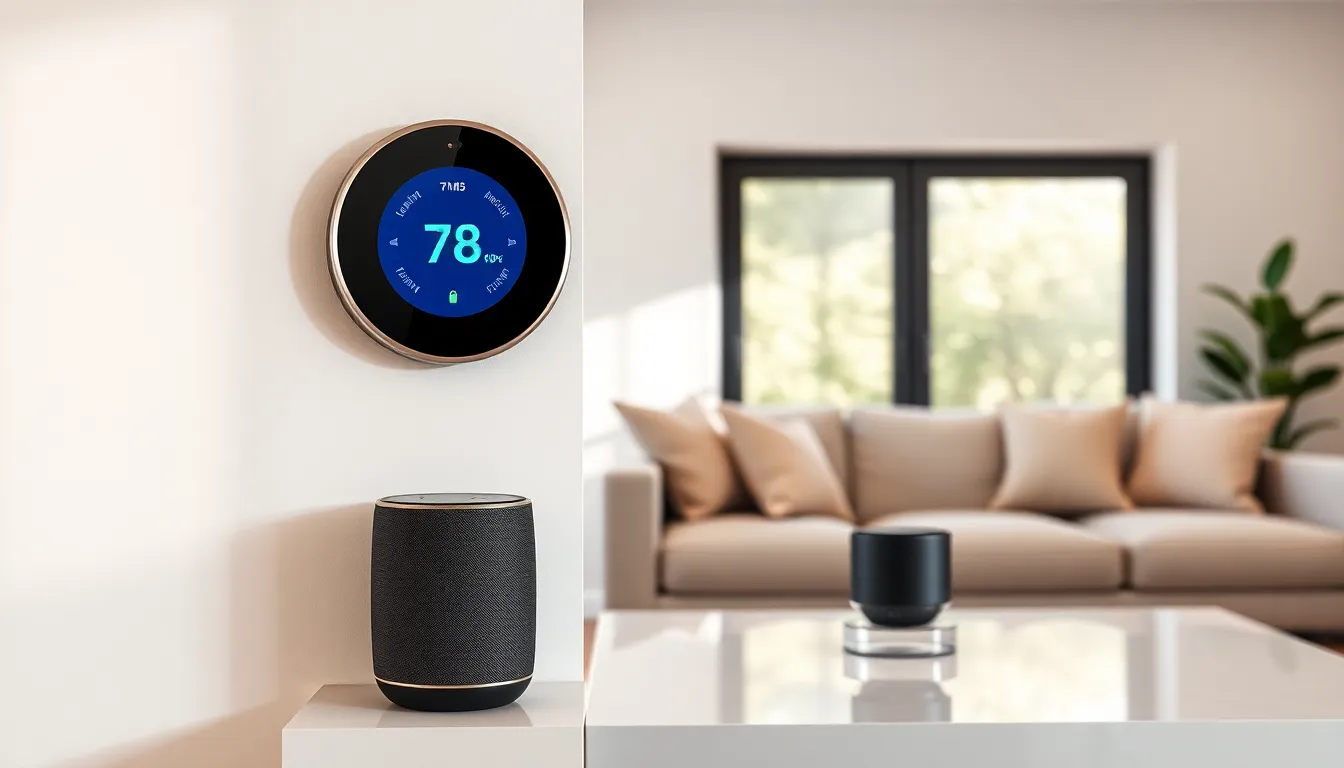
Smart living products are devices that integrate advanced technology to enhance daily living. They leverage the Internet of Things (IoT) to connect with one another, often controllable via smartphones or tablets. Think of them as the brainiacs of your home, capable of making life a tad easier, more secure, and even a bit more fun.
Consider smart thermostats. These clever devices intuitively learn your temperature preferences and adjust accordingly, ensuring the perfect climate while potentially slashing energy bills. The beauty of these products lies in their ability to communicate and adapt to user preferences, creating a customized living experience.
Benefits of Smart Living Products
The advantages of adopting smart living products are virtually endless. First and foremost, convenience reigns supreme. With just a few taps on a mobile device, just about any gadget in your house can be controlled remotely. Imagine snuggling on the couch, only to realize that the lights are still on in the kitchen. With smart living technology, you can turn them off from where you sit.
Energy efficiency is another critical benefit. Smart devices can drastically reduce your energy consumption. Take smart plugs, for example. These allow you to monitor the electricity usage of your devices, helping reduce unnecessary consumption and lower electricity bills.
Also, smart living products cater to increased security concerns. With smart security systems equipped with cameras, motion detectors, and even smart doorbells, homeowners can monitor their properties in real-time from anywhere in the world. Peace of mind has never been more accessible. Besides, these products often come with easy integration capabilities, so incorporating them into your existing home setup can be a breeze.
Popular Categories of Smart Living Products
Smart living products cover a broad spectrum, each designed to tackle different aspects of home life. Their versatility makes them particularly appealing to a range of consumers.
1. Smart Home Devices
These include smart speakers, smart lights, and smart plugs. Devices like the Amazon Echo or Google Home act as the central hubs, allowing other devices to connect and communicate seamlessly. Adjusting the lights or playing your favorite tunes is as easy as saying a few words.
2. Smart Appliances
From refrigerators that can track inventory to washing machines that can be programmed remotely, smart appliances elevate the kitchen experience. Brands like Samsung and LG are at the forefront, creating fridges that can send you notifications when you’re running low on ingredients.
3. Smart Security Systems
In an age where home security is paramount, products like Ring doorbells or Arlo security cameras are becoming household staples. They provide real-time alerts, enabling homeowners to keep a watchful eye on their property.
4. Smart Health Products
Wearables like smartwatches can track vital health metrics and integrate with home health systems. These devices empower individuals to monitor their health conditions, making proactive healthcare more feasible.
How to Choose the Right Smart Living Products
Finding the ideal smart living products can be a challenging job given the plethora of options available. Start by evaluating your needs. Are you looking to enhance convenience, security, or energy efficiency? Pinpointing your goals is crucial.
Next, consider compatibility. It’s vital to ensure that new devices can communicate with existing systems. For example, if you already have Amazon Alexa, you’ll want to select products that integrate well with it. Always do your assignments, read reviews and seek expert opinions to ensure you’re investing in reliable technology.
Finally, budgetary considerations come into play. Smart living products can range from affordable to high-end. Identify what features are essential versus nice-to-have, allowing you to stick within your financial limits without compromising functionality.
Challenges and Considerations
While smart living products offer tremendous potential, they also come with challenges that consumers must navigate. Privacy concerns top the list. Many of these devices collect data to function correctly. It’s essential for users to be aware of privacy settings and data-sharing policies to guard against unwarranted surveillance.
Connectivity can also pose problems. A robust, reliable internet connection is imperative for most smart devices to function optimally. If your home suffers from spotty Wi-Fi, certain gadgets may not work as intended, leaving you frustrated.
Also, tech compatibility can be a puzzle. Not all devices can work together seamlessly, leading to limited functionality or a fragmented experience. Consumers must stay informed about which products play well together to enjoy the full benefits of smart living.
The Future of Smart Living Products
The potential of smart living products seems limitless, with technology advancing at an unprecedented pace. We can expect deeper integration of artificial intelligence, enabling products to learn not only our preferences but also our habits. Imagine a home that anticipates your needs before you even realize them.
Sustainability will also take center stage. Future smart living products will likely focus on reducing carbon footprints, utilizing renewable energy sources, and optimizing energy use. With the rise of greener alternatives, you’ll not only enhance your living experience but contribute positively to the environment.
In future homes, voice and gesture recognition could become standard, offering a more natural interface with your devices. This evolution promises to make homes much more intuitive and user-friendly.


